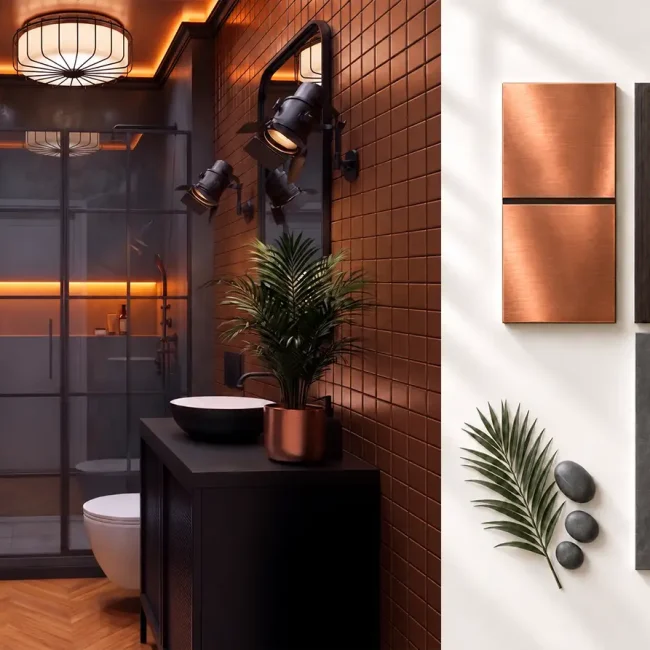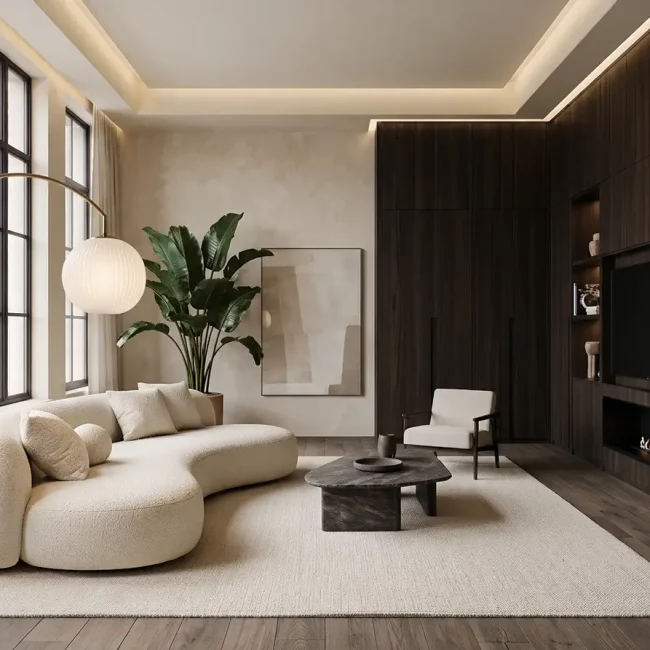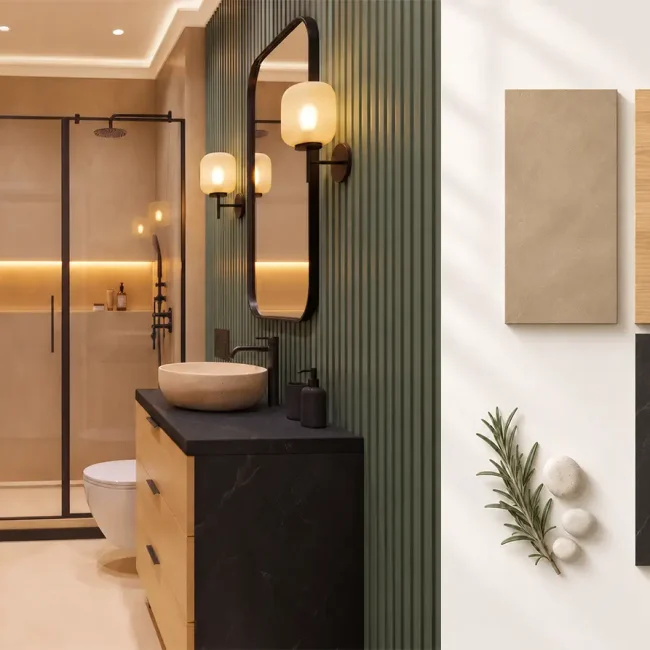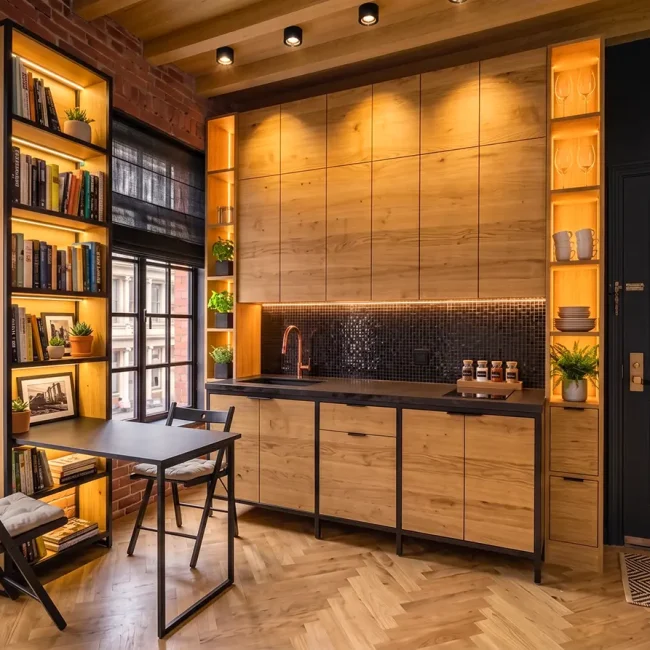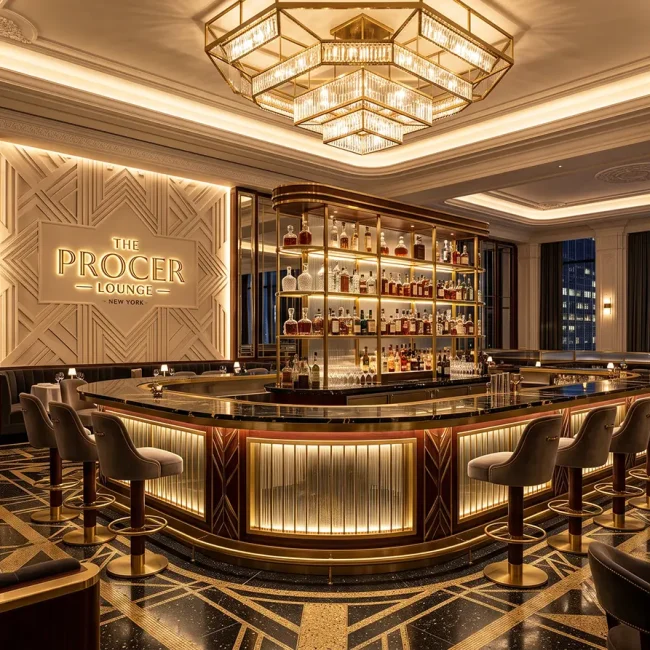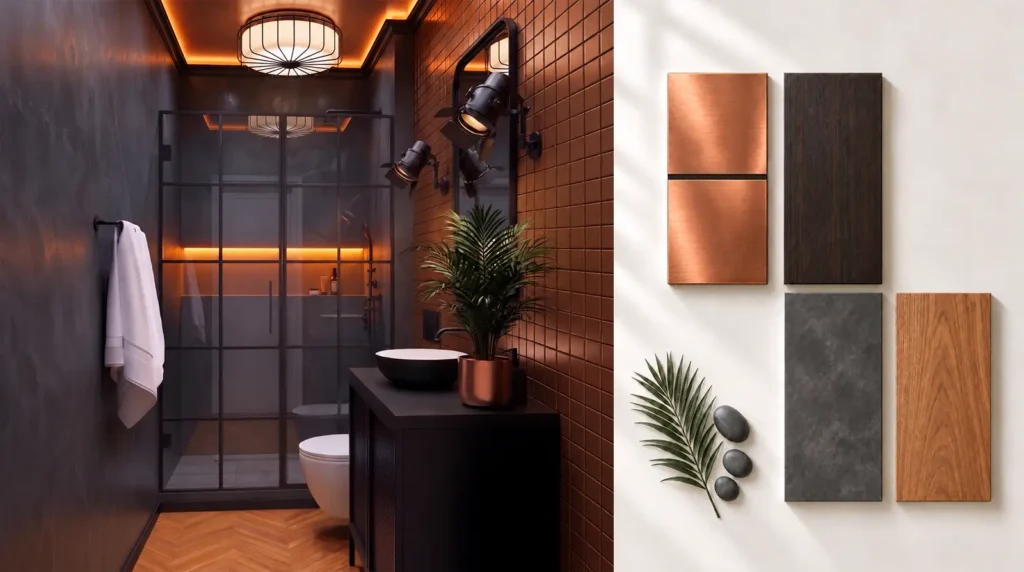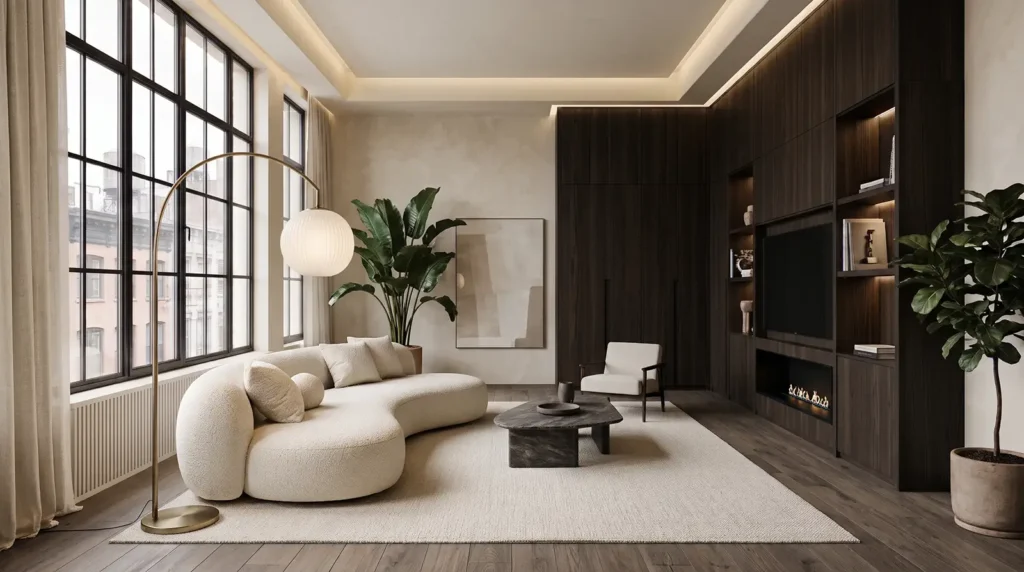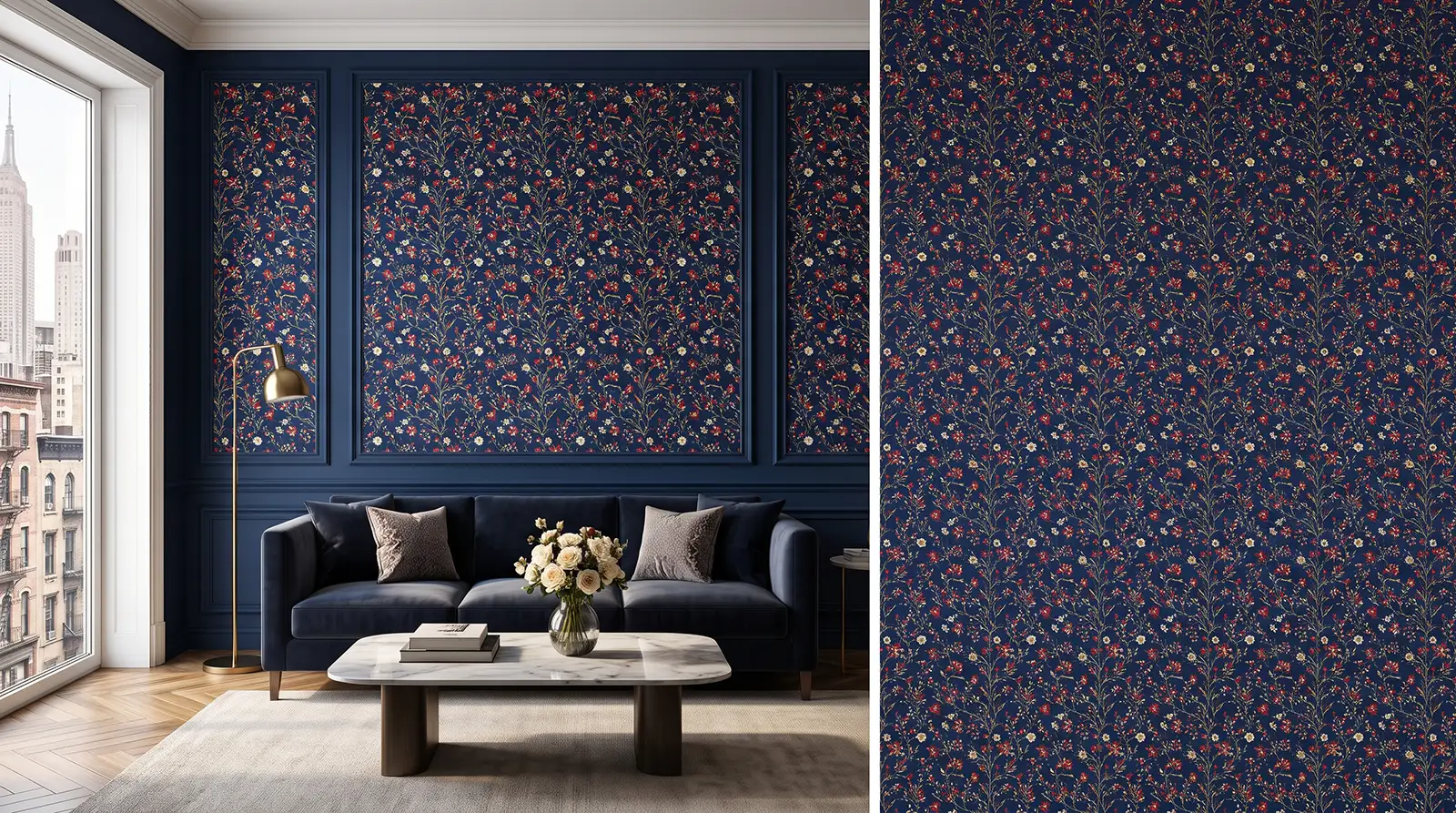
The right wall covering can change far more than the color of a room. It can soften acoustics, introduce depth, reflect light, hide visual imperfections, or give an otherwise restrained interior a more tactile character. Yet the best wall covering options for a New York apartment depend on more than pattern. Moisture, sunlight, heat, traffic, wall construction, and maintenance all influence what will perform well after installation.
That distinction matters in a city where apartments can occupy buildings separated by more than a century of construction history. A pre-war co-op with layered plaster presents different conditions from a recently completed high-rise with drywall. A windowless powder room asks something different of its walls than a west-facing living room flooded with afternoon sun. Material selection therefore begins with the room and the wall itself, not with the sample book.
Luxury wallcoverings make that process especially interesting because the category now extends far beyond conventional printed paper. Natural grasscloth, linen, silk, dimensional vinyl, paper weaves, metallic surfaces, panoramic murals, and hand-finished papers can all become part of an interior. The challenge is knowing where each one belongs.
What Are Wallcoverings?
Wallcovering is the broader term for decorative materials applied to interior walls. Wallpaper sits within that category, alongside vinyl, natural fiber, textile, silk, paper weave, fiberglass, metallic finishes, murals, and other specialty surfaces. Some products are selected primarily for pattern, while others are chosen for texture, durability, acoustic qualities, or the way they respond to light.
That distinction becomes useful when comparing wall covering options for an apartment renovation. A printed paper may be appropriate for a quiet bedroom, while a high-traffic hallway may benefit from a more durable surface. Grasscloth can bring natural variation to a study, yet the same material may be a poor choice beside a sink or in a steam-heavy bathroom.
Instead of asking which wallcovering is the most luxurious, it is more useful to ask what the wall needs to do. The answer changes from room to room, and sometimes from one wall to another within the same room.
Choose the Room Before You Choose the Pattern
A wallcovering sample can be persuasive on a design table. Installed across an entire room, however, it becomes part of a working environment. Heat, water, sunlight, abrasion, and everyday contact begin to matter as much as color and pattern.
A practical selection process starts by identifying the conditions surrounding the wall. Full bathrooms introduce humidity and condensation. Kitchens add grease, heat, and cleaning requirements. Entryways receive repeated contact from coats, bags, and furniture, while bedrooms usually allow more delicate materials.
Full Bathrooms and Powder Rooms
When wallcoverings become part of a bathroom renovation, moisture exposure needs to shape the material choice from the start. Products should be selected specifically for humid conditions and according to the manufacturer’s installation requirements. Solid vinyl and some specialized fiberglass wallcoverings can provide more practical starting points than delicate paper or natural fibers.
Powder rooms create a different opportunity because they do not contain a shower or tub. Lower humidity can make room for silk, metallic papers, grasscloth, scenic patterns, and other more delicate finishes. Good ventilation and appropriate protection around the sink still matter, particularly where splashes can reach the wall.
The distinction between these two rooms is easy to overlook because both are called bathrooms. From a wallcovering perspective, however, their environmental conditions are very different. That difference should guide the material before aesthetics take over.
Kitchens and Other High-Use Walls
Kitchen walls need to respond to repeated cleaning, food preparation, splashes, and heat. Scrubbable or washable wallcoverings are more practical in appropriate low-splash areas than porous textiles or natural grasscloth. The wall directly behind a cooking surface should be treated differently from a breakfast nook, pantry, or coffee bar.
Radiator alcoves introduce another condition common in older New York apartments. Repeated heat can affect both the wallcovering and its adhesive system. The product and installation method should therefore be selected for the actual surface temperature and wall condition rather than assumed to perform everywhere.
This is where material performance becomes part of the design decision. A durable wallcovering does not have to look commercial. Many contemporary collections translate woven, plaster-like, textile, or natural-fiber effects into surfaces designed for easier maintenance.
Hallways, Foyers, and High-Traffic Areas
Entry halls and corridors are usually dry, but they receive more physical contact than most rooms. Abrasion resistance, stain resistance, and cleanability matter because walls may be brushed by bags, coats, furniture, or everyday traffic. A delicate paper can still work in a protected foyer, but its placement needs to be intentional.
Textured vinyl and other performance wallcoverings are useful when the design calls for depth without excessive fragility. They can introduce the appearance of woven fibers, plaster, or other tactile surfaces while providing greater durability. This makes them particularly relevant in family apartments and frequently used circulation zones.
The goal is not to specify the hardest possible surface everywhere. It is to reserve delicate materials for places where their qualities can be appreciated without creating unnecessary maintenance.
Bedrooms, Living Rooms, and Dining Rooms
Dry living spaces offer the greatest material freedom. Here, wallcoverings can be selected primarily for atmosphere, texture, color, and the relationship with furniture and architectural details. Natural fibers, paper, linen, silk, suede-like textiles, murals, and hand-finished surfaces can all become viable options.
These rooms also allow subtle materials to do more work. Grasscloth may change character as daylight moves across its woven surface. Silk can introduce a restrained sheen, while linen can make a large wall feel softer without relying on a visible pattern.
In these spaces, luxury often comes from material nuance rather than ornament. A wall can remain almost monochromatic and still become one of the most expressive surfaces in the room.
Wallcovering Materials: What Each One Does Best
Understanding material categories makes wall covering ideas much easier to evaluate. Two products may appear similar in a photograph yet behave very differently after installation. The face material, backing, protective coating, and manufacturing method all influence performance.
The following categories cover the materials most relevant to residential interiors. Each can work beautifully when its properties match the room. Problems usually begin when appearance is given priority over placement.
Solid Vinyl and Performance Vinyl
Solid vinyl wallcoverings are designed with durability and cleanability in mind. Their surface can resist moisture, staining, and repeated wiping more effectively than untreated paper. This makes them useful in kitchens, hallways, family spaces, and other areas where walls need to tolerate more contact.
Commercial wallcoverings are also commonly classified by duty level. Type I is intended for lighter wear, while Type II and Type III address progressively more demanding conditions. That classification describes performance and wear, so the specific product should still be checked for suitability in humid or other specialized environments.
The aesthetic range has expanded considerably. Contemporary vinyl can imitate woven textile, raffia, plaster, wood grain, or dimensional surfaces. For clients who want texture with easier maintenance, these products can provide a convincing middle ground.
Non-Woven Wallcoverings
Non-woven wallcoverings combine natural and synthetic fibers into a stable backing. They are frequently used in bedrooms, living rooms, dining areas, and other relatively dry spaces. Their dimensional stability can also make installation and eventual removal more manageable.
The category supports a wide range of decorative surfaces. A non-woven backing may carry printed patterns, subtle textures, metallic finishes, or more expressive designs. This makes the construction itself less visible than the decorative layer placed above it.
For residential interiors, non-woven products often offer a useful balance. They can deliver the refined appearance associated with paper while remaining practical for contemporary installation systems.
Traditional Paper Wallpaper
Traditional paper retains a particular visual quality because the material itself feels lighter and less manufactured. Fine printing, matte color, hand-blocked patterns, and detailed illustration can all work particularly well on paper. It is best reserved for relatively dry, lower-contact areas.
Bedrooms, dining rooms, studies, and guest rooms are natural candidates. Direct splashing, grease, and frequent scrubbing are less compatible with untreated paper. Strong sunlight can also influence some pigments and printed surfaces over time.
Paper rewards careful placement. When the environment is appropriate, its delicacy becomes part of the appeal rather than a practical disadvantage.
Grasscloth, Sisal, Jute, and Natural Weaves
Natural grasscloth is immediately recognizable by its irregular fibers and visible panel seams. Sisal, jute, raffia, and related plant-based wallcoverings introduce similar organic variation. Their appeal lies precisely in the fact that the surface does not look mechanically uniform.
These materials work particularly well in studies, bedrooms, living rooms, and other protected dry spaces. They can add warmth to a restrained apartment without requiring a decorative print. Light moving across the fibers often becomes part of the design.
Natural materials require greater acceptance of variation and patina. Water, grease, and harsh cleaning can damage them, while strong sunlight may change some natural colors over time. They should be chosen because those qualities are understood, not because a sample happens to resemble a more durable synthetic product.
Textile, Linen, and Silk Wallcoverings
Textile wallcoverings occupy a different territory from printed wallpaper. Linen, silk, velvet, rayon, and other fabric-based surfaces can soften a room both visually and acoustically. Their texture is often most effective when viewed across a large uninterrupted wall.
These materials belong primarily in dry, lower-contact interiors. Primary bedrooms, formal dining rooms, libraries, and quieter living spaces allow them to become architectural surfaces rather than vulnerable decorative finishes. Their maintenance also tends to be more specialized than that of washable vinyl.
Silk and linen are especially effective when the design relies on subtle tonal variation. They can make a neutral room feel materially rich without introducing another strong color or pattern. In that context, texture becomes the decoration.
What Is Textured Wallpaper?
Textured wallpaper is not one single material. The term can describe embossed vinyl, woven grasscloth, textile surfaces, raised paper, dimensional patterns, or products designed to imitate plaster and other architectural finishes. What they share is a surface that can be perceived through relief, fiber, weave, or changing reflections.
This distinction matters when searching for types of textured wallpaper. A deep embossed vinyl may be appropriate in a busy hallway, while natural grasscloth offers a softer and less uniform texture for a bedroom. Silk and linen produce another effect entirely because their interest comes from fiber and light rather than pronounced relief.
Luxury textured wallpaper often works best when the rest of the room becomes quieter. Texture already creates movement, especially across a large wall. Adding an equally dominant pattern, complex millwork, and multiple competing finishes can quickly weaken its effect.
Can Delicate Wallcoverings Be Protected?
Sometimes the design calls for the appearance of a delicate paper in a more demanding location. Protective treatments can expand the possibilities, but they do not make every material suitable for every room. The original wallcovering and the chosen finish must be compatible.
Some manufacturers offer performance or stain-resistant treatments applied during production. Vinyl-coated papers add another level of cleanability by protecting the printed surface. Professional protective coatings may also be appropriate for certain papers when the manufacturer and installer confirm compatibility.
Raw silk and natural grasscloth require particular care. A liquid coating can change their color, sheen, and texture. In those cases, protecting the material often means choosing a better location rather than trying to seal away its natural characteristics.
Wallpaper in the Kitchen: Pattern Without Treating It Like Tile
In a kitchen renovation, wallpaper can bring a level of pattern and softness that stone and tile do not always provide. It works particularly well on upper walls, breakfast areas, pantry walls, and low-splash preparation zones. Scrubbable finishes make those placements easier to maintain.
A short stone backsplash can also create a useful transition between the countertop and wallpaper above. The hard surface handles direct splashes, while the paper introduces color or pattern at eye level. In other situations, a decorative wallcovering can be protected behind an appropriately specified glass panel.
The cooking zone deserves a different approach. Wallpaper should not simply be treated as a substitute for a suitable backsplash directly behind a range. Heat, grease, cleaning, and applicable installation requirements make stone, tile, metal, or another appropriate hard surface the more practical choice there.
The Wall Behind the Wallcovering Matters
New York apartments contain an unusually varied collection of wall substrates. Historic plaster, decades of paint, patched masonry, and modern drywall can all exist within the city’s housing stock. A wallcovering can only perform as well as the surface prepared to receive it.
This is one of the reasons installation quality becomes particularly important with expensive papers and natural materials. A beautifully printed surface will not disguise a poorly prepared wall. Unevenness, cracks, failed paint, or contamination can eventually telegraph through the finish or affect adhesion.
Historic Brownstones and Older Plaster
Older townhouses may contain traditional plaster over wood lath. These surfaces can be uneven and may show settlement cracks accumulated over decades. Preparation may involve localized repair, skim coating, sealing, and lining before the decorative wallcovering is installed.
The goal is not necessarily to make an old wall behave like new drywall. Historic plaster has its own character and construction logic. Preparation should create a stable substrate without assuming that every irregularity needs to disappear.
Delicate papers make that preparation especially important. Fine patterns, silk, and smooth metallic finishes can reveal imperfections that heavier textured surfaces may visually soften.
Practical Tip: On uneven historic plaster, skim-coat damaged areas, seal porous surfaces with a compatible primer, and use lining paper where needed before installing the finish wallcovering. This creates a more stable substrate and helps prevent cracks and surface irregularities from telegraphing through delicate papers.
Pre-War Co-ops
Pre-war apartments often combine substantial plaster construction with many layers of previous decoration. Glossy old paint, repairs, cracks, and earlier wallpaper adhesive can all affect the next installation. Careful surface assessment should therefore happen before the final wallcovering is ordered.
Existing paint may need sanding, repair, and a compatible bonding primer. The exact preparation depends on what is already on the wall. A professional installer should determine that condition rather than applying the same system automatically across every apartment.
Building requirements also remain part of the renovation process. In a co-op, work may need to follow the building’s alteration agreement and contractor requirements. Those administrative conditions should be understood alongside the design specification.
Practical Tip: Old glossy paint should be properly sanded and primed with a high-adhesion bonding primer before wallpaper installation. Check the building’s alteration agreement before work begins, as contractor requirements, insurance documentation, and permitted work hours may affect the installation schedule.
Modern Condos and High-Rises
Contemporary apartments commonly use gypsum drywall or Sheetrock. The surface may look perfectly smooth, but that does not mean the decorative material should be installed directly onto an unprepared wall. A dedicated wallcovering primer or sizing system creates a properly prepared surface for installation and makes future wallpaper removal easier.
This matters particularly with premium wallcoverings. The finish may remain in place for years, but interiors eventually change. Preparing the substrate correctly helps preserve that flexibility.
Large windows introduce another variable in modern towers. South- and west-facing rooms can receive intense afternoon light, so colorfastness should be considered when selecting strongly pigmented papers, natural fibers, and other light-sensitive surfaces.
Practical Tip: Never apply wallpaper directly to bare drywall or flat builder-grade paint. Use a dedicated wallcovering primer or sizing system first to create a stable installation surface and make future removal easier.
Rental Apartments and Removable Wallpaper
Peel-and-stick products are attractive because they promise a less permanent intervention. They tend to perform best on smooth, sound, appropriately painted walls. Textured substrates, fragile plaster, and humid rooms can make removal or adhesion less predictable.
Testing a discreet area first is a sensible precaution. A removable adhesive still interacts with the paint and substrate beneath it. The condition of that underlying surface matters as much as the product label.
For premium interiors, removable does not automatically mean disposable. High-quality temporary wallcoverings can still deliver strong pattern and color when the wall conditions are appropriate.
Practical Tip: Peel-and-stick wallcoverings perform best on smooth, sound, satin-painted drywall. Avoid using them on textured walls, humid bathrooms, or fragile historic plaster, where the adhesive may compromise the surface during removal.
Texture Is Becoming as Important as Pattern
Contemporary wall covering ideas increasingly treat the wall as a material surface rather than simply a place for printed decoration. Embossed designs can resemble plaster, fluted wood, textile, or woven bouclé. Natural fibers create another kind of depth because their irregularity changes continuously with light.
Metallic surfaces work differently. Mylar, gilded finishes, and tarnished-metal effects can catch limited natural light and create a quieter glow after dark. Used selectively, they can make a shaded room feel more atmospheric without relying on bright color.
Large-scale murals take the opposite approach by making the image itself architectural. Panoramic landscapes and non-repeating compositions can change the perceived scale of a dining room, foyer, or otherwise enclosed space. Hand-painted and hand-screened papers add another layer because small variations remain visible within the finished surface.
Luxury Wallcovering Brands Worth Knowing
The luxury wallcovering market combines historic houses, contemporary studios, textile specialists, and highly artisanal workshops. New York clients can access an unusually broad range through local showrooms, designers, and trade resources. The most useful starting point is not a brand hierarchy, but understanding which design language and material specialty suits the project.
New York City is one of the world’s premier hubs for luxury interior design, with flagship showrooms concentrated in the Decoration & Design (D&D) Building on Third Avenue and the New York Design Center (200 Lex).
Top NYC-Accessible Luxury Brands & Showrooms
• Schumacher: Founded in NYC in 1889, Schumacher is an American design institution offering everything from iconic archival prints to durable performance vinyls and rich grasscloths.
• Phillip Jeffries: Headquartered just across the Hudson in New Jersey with a flagship NYC showroom, they are the world’s leader in natural, textured, and specialty wallcoverings – famous for their Japanese paper weaves, authentic grasscloths, and vinyl replicas.
• Scalamandré: Renowned for opulent historic reproductions (including their iconic Zebras print), silks, and classic American heritage designs.
• Flavor Paper: Based in Brooklyn, this contemporary studio pushes boundaries with custom hand-screened wallpapers, metallic mylars, and avant-garde collaborations.
Prestigious European Manufacturers
• De Gournay (UK/France): The gold standard for bespoke, hand-painted wallcoverings on silk and gilded paper, renowned for custom-scaled scenic murals.
• Cole & Son (UK): Dating back to 1875, this British heritage house blends archival block-printed designs with contemporary collections (such as their collaborations with Fornasetti).
• Pierre Frey (France): Celebrated for bold, artistic French textiles, richly textured weaves, and museum-worthy archival patterns.
• Élitis (France): Known for cutting-edge innovation, producing hyper-tactile 3D embossed wallcoverings, faux-raffia vinyls, and avant-garde textures ideal for modern spaces.
Exquisite Asian Luxury & Artisanal Collections
• Hand-Painted Chinoiserie & Silk Murals: Traditional workshops in China and Hong Kong produce exquisite, museum-grade hand-painted silk panels depicting botanicals, birds, and landscapes, prized in classic Manhattan residences.
• Japanese Artisanal Washi & Paper Weaves: Japan is the epicenter of fine paper craftsmanship. Mills in Kyoto and surrounding regions create intricate washi (mulberry paper) wallcoverings, hand-woven paper threads, and metallic leaf papers prized for their meditative simplicity and durability.
• Korean & Southeast Asian Natural Grasscloths: Master weavers across South Korea and the Philippines harvest, dye, and loom wild arrowroot, hemp, sisal, and raffia by hand, supplying the world’s top luxury design houses with raw, organic textures.
How to Choose Between Wall Covering Options
Start with the physical conditions of the room, then move toward aesthetics. Within a full apartment renovation, that decision should also support the material palette and design language established across the rest of the home. A wall beside a shower needs a different specification from a shaded bedroom wall. A busy hallway asks different questions than a formal dining room.
Next, decide what role the wall should play. It may need to become a quiet tactile background, a source of color, an architectural focal point, or a surface that protects a heavily used area. Once that role is clear, the range of suitable materials becomes much easier to edit.
Only then should pattern and brand become the final layer of the decision. A beautiful wallcovering placed in the wrong environment is rarely a successful specification. The stronger choice is the one in which material, room, light, substrate, and design all support one another.
FAQ: Wallpaper and Wallcoverings
What are wallcoverings?
Wallcoverings are decorative materials installed on interior wall surfaces. The category includes conventional wallpaper, vinyl, grasscloth, natural fibers, textiles, silk, paper weaves, murals, fiberglass, and specialty finishes. Different constructions offer different levels of texture, durability, cleanability, and sensitivity to moisture or light.
What is wallpaper with texture called?
It is generally described as textured wallpaper or textured wallcovering. The texture may come from embossing, woven fibers, grasscloth, textile, raised paper, or dimensional synthetic surfaces. The correct material name depends on how the texture is actually created.
What is the best textured wallpaper?
There is no single best textured wallpaper for every room. Durable embossed or performance vinyl can make sense in higher-traffic areas, while grasscloth, linen, silk, or paper weave may be better suited to protected dry rooms. The room conditions should determine the material before appearance becomes the deciding factor.
What are the main types of wallpaper and wallcoverings?
Premium interiors use more than three meaningful categories. Common options include paper, non-woven wallcoverings, solid or coated vinyl, natural grasscloth and plant fibers, textiles, silk, fiberglass, and specialty dimensional surfaces. Each category contains further variations in backing, finish, performance, and installation requirements.
Can wallpaper be used in a bathroom?
Yes, but the type of bathroom matters. A powder room has much lower moisture exposure than a full bathroom with a shower or tub. In humid rooms, the selected product, adhesive, wall preparation, ventilation, and manufacturer requirements all need to support that environment.
The Best Wallcovering Starts With the Wall
A successful wallcovering rarely begins with a favorite pattern. It begins with understanding the room, the substrate, and the conditions the material will face every day. That approach does not restrict the design; it gives delicate and expressive materials a better chance to perform as intended.
In New York apartments, those conditions can change dramatically from one project to another. Historic plaster, modern drywall, steam, radiator heat, strong sunlight, and narrow high-traffic corridors all influence specification. The wall itself is therefore part of the design brief.
Once those practical questions are resolved, wallcoverings offer extraordinary creative range. Silk can make a bedroom quieter, grasscloth can add organic movement, dimensional vinyl can bring texture to a hard-working hallway, and a mural can alter the perceived scale of a small room. The strongest wall covering options are not simply beautiful on a sample card; they belong naturally to the architecture around them.